


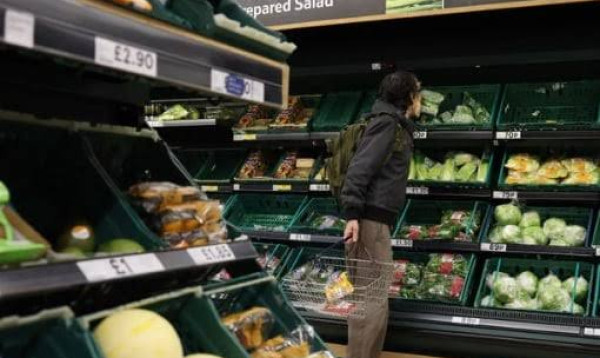
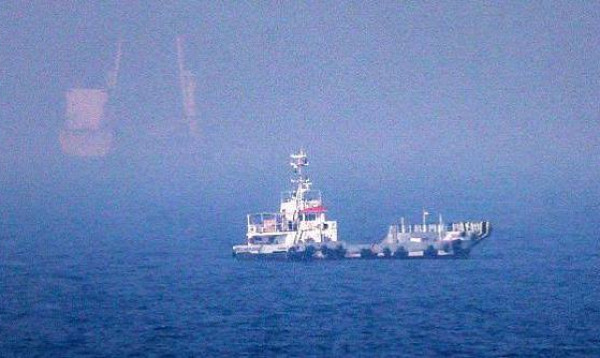
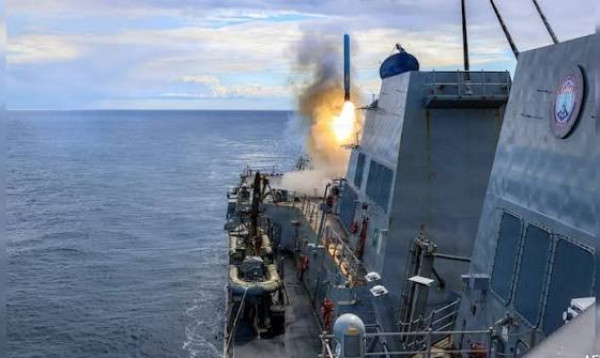
Experts say conflict in the Middle East and the impact of a possible super El Niño are increasing pressure on global food markets.
According to the US National Oceanic and Atmospheric Administration, or NOAA, severe weather could reduce crop production through 2026 and 2027, with the effects on food prices lasting until 2028.
Supplies of rice, sugar, coffee, and palm oil could be affected, while higher fuel and fertilizer costs are adding to inflation.
Economists say climate change is becoming a major driver of global food prices.








.webp)